When you discover a dusty box of family photographs in your attic or inherit a collection from a relative, one of the most thrilling challenges becomes learning to date old photos through the clothing and fashion details captured in those frozen moments. 📸
The ability to date old photos by examining fashion elements transforms mysterious images into valuable genealogical evidence. It connects you to specific time periods and helps you identify your ancestors with greater accuracy.
Table of Contents
Whether you’re a seasoned genealogist or just beginning your genealogy research online, mastering this skill is essential. In this comprehensive guide, we’ll walk through the fashion eras from 1840 to 1950.
You’ll discover how clothing styles, photographic techniques, and historical context work together. This knowledge helps you date old photos with confidence. 🕰️
Why Learning to Date Old Photos Matters for Your Family History
Before we dive into the fashion details that help you date old photos, let’s understand why this skill is crucial. When you can accurately date old photos, you accomplish several important genealogical goals simultaneously.
Narrows Your Research Timeline
Dating photographs narrows down the time frame for researching specific ancestors. If you know a photo was taken between 1890 and 1895 based on clothing styles, you can focus your searches within that specific window.
This makes your research on Ancestry.com exponentially more efficient. ⏰
Prevents Research Mistakes
The ability to date old photos helps you avoid common Ancestry family tree mistakes. Physical evidence can verify or question your research findings.
Sometimes family stories about “when Grandma was a young woman” turn out to be off by a decade or more. Examining fashion details in photographs reveals the truth.
Creates A Digital Point Of Historical Interest
Think about this, you can reverse engineer the type of technology that went into the photographic process (eg., ambrotype, tintype, etc.) just by knowing when the photo was taken and who is in the photo.
This is unbelievably useful for family photos shared on Ancestry or other platforms where the original owner and custodian digitizes the photo and then shares it to others, most often to be used in building our family trees.
For example, my 3rd great grandfather who was born in 1823 in Virginia and had his photo taken as a young man of about 20 years old (I know! What a great family history heirloom to have!), this places the photo around 1840.
This photo was shared by a relative and looks very old. Knowing that it was taken sometime in the 1840s, it is most likely an ambrotype based on its features and not a daguerreotype due to its lack of silverish sheen.
Creates Visual Documentation
When you date old photos accurately, you create a visual timeline of your family’s history. This complements your documentary research beautifully.
This becomes especially valuable when facing challenges. Issues like the common name ancestor problem or a maiden name dead end become easier to solve. 🧩
I’ve personally used these techniques to solve photographic mysteries in my own family history research. As any seasoned genealogist knows, not all family photos are labelled! In one example, all we had was a date range to go on based on the family in the picture and the younguns’ dates of birth.
From there, to date old photos, we used they types of clothes (a mix of farmer’s wear and Sunday formal) across generations and gender to really pinpoint when the photo was taken. Not a hard one, if you know the era in which your ancestors were born.
Understanding Photographic Processes: The First Clue to Date Old Photos
Before examining clothing, the photographic process itself provides crucial clues. Different photography methods dominated specific time periods.
This gives you an immediate framework for your fashion analysis.
Daguerreotypes (1839–1860s) 🖼️
Daguerreotypes were the first commercially successful photographic process. When you hold one, you’re holding a unique, mirror-like image on a silver-plated copper sheet.
These photographs don’t have negatives, making each one irreplaceable. To date old photos from this era, look for the characteristic metallic sheen.
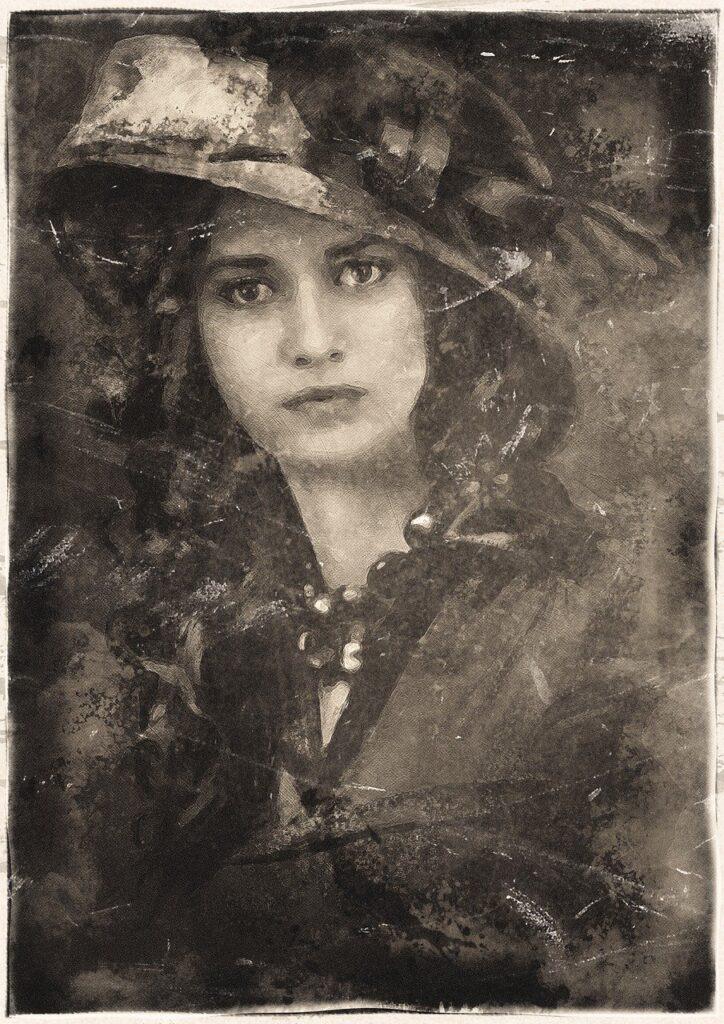
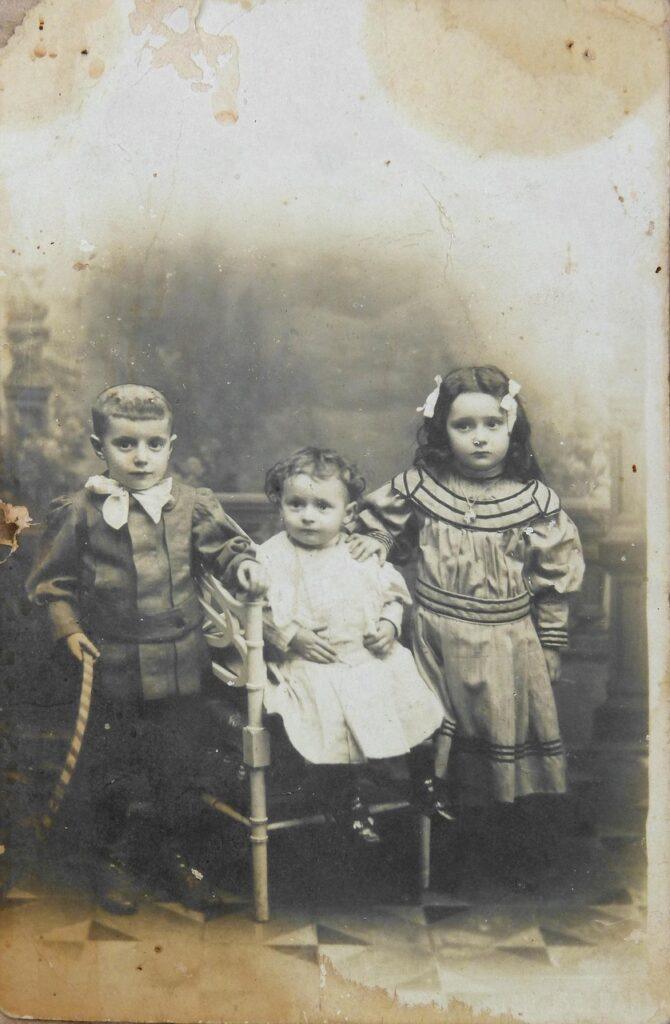
The image appears positive or negative depending on the viewing angle. People in daguerreotypes often appear stiff and unsmiling because exposure times could last several minutes.
This technological limitation affected fashion presentation. People wore their finest clothing and sat in formal poses with head braces to prevent movement blur.
Ambrotypes (1854–1880s)
Ambrotypes used glass plates rather than metal. They created a negative image that appeared positive when backed with dark material.
These are lighter and less expensive than daguerreotypes. When you date old photos from this period, you’ll notice the images are often housed in similar decorative cases as daguerreotypes.


This can cause confusion between the two types.
Tintypes (1856–1930s) 📷
Tintypes (ferrotypes) were photographs on thin sheets of iron (hence the prefix ferro-), not tin despite the name. These became extremely popular because they were cheap, durable, and developed quickly.
Traveling photographers at fairs, carnivals, and Civil War camps produced thousands of tintypes. When you date old photos on metal that feel magnetic, you’re likely holding a tintype.

Carte de Visite and Cabinet Cards (1859–1900s)
The carte de visite (literally a “visitation card”) revolutionized photography by making multiple paper prints from a single negative. These small photographs (roughly 2.5 x 4 inches) were mounted on cards and collected in albums.
Cabinet cards (larger, about 4.5 x 6.5 inches) followed in the 1870s. They remained popular through the early 1900s.
When you date old photos in these formats, examine the photographer’s studio mark on the card mount. The typography, border decorations, and studio information can help pinpoint the decade.
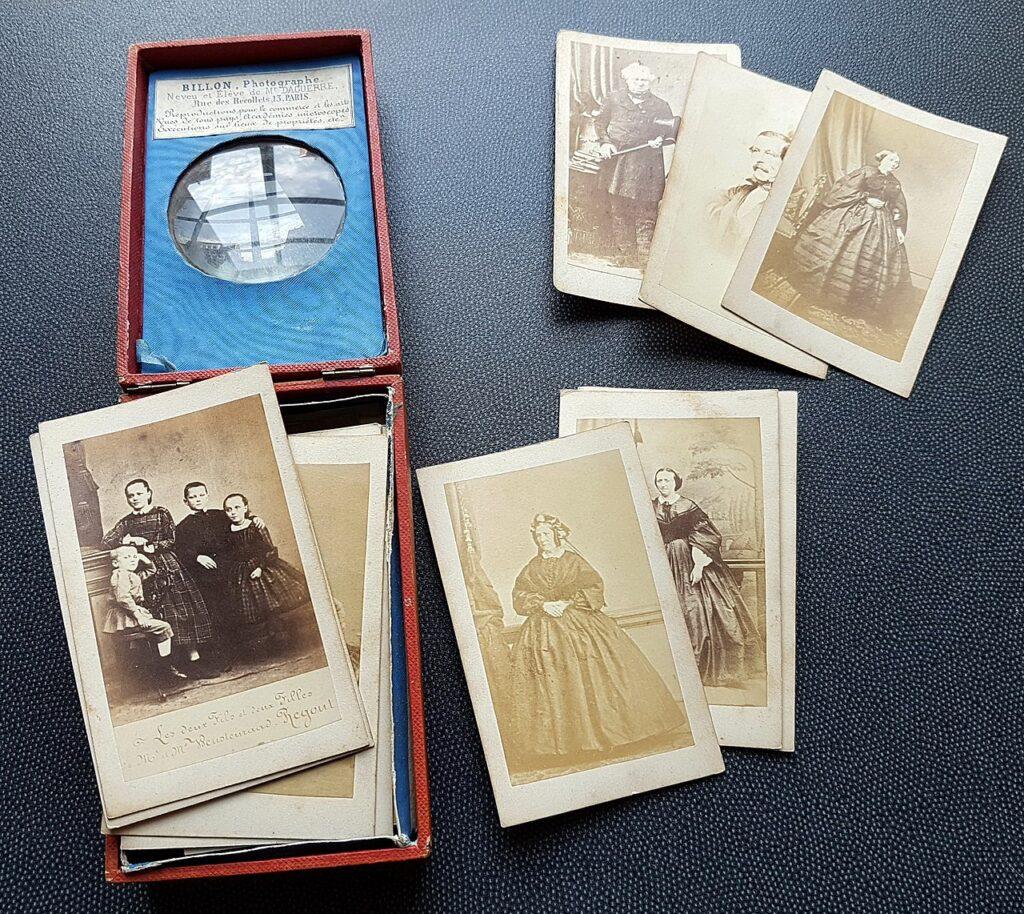
Many genealogists maintain databases of photographer information. These cross-reference with city directories, helping you date old photos even more precisely. 🔍
Snapshot Era (1888–1950s)
George Eastman’s introduction of the Kodak camera in 1888 changed everything. His slogan “You press the button, we do the rest” democratized photography.
By the early 1900s, amateur photography exploded. When you date old photos from this era, you’ll notice more casual poses, outdoor settings, and candid moments.
Earlier professional photography couldn’t capture these spontaneous moments.
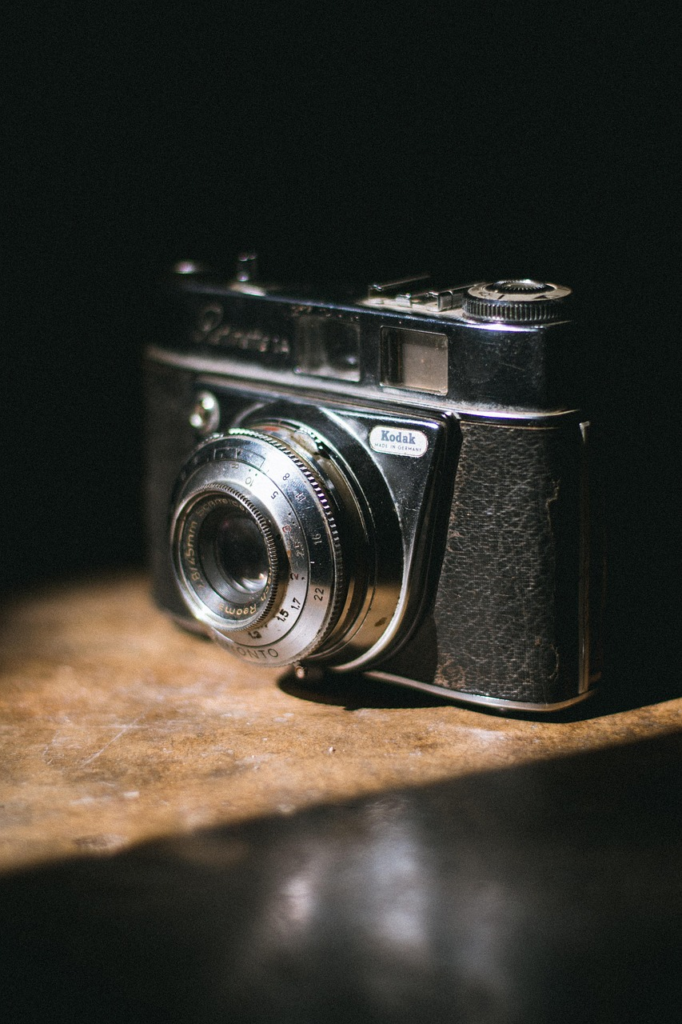
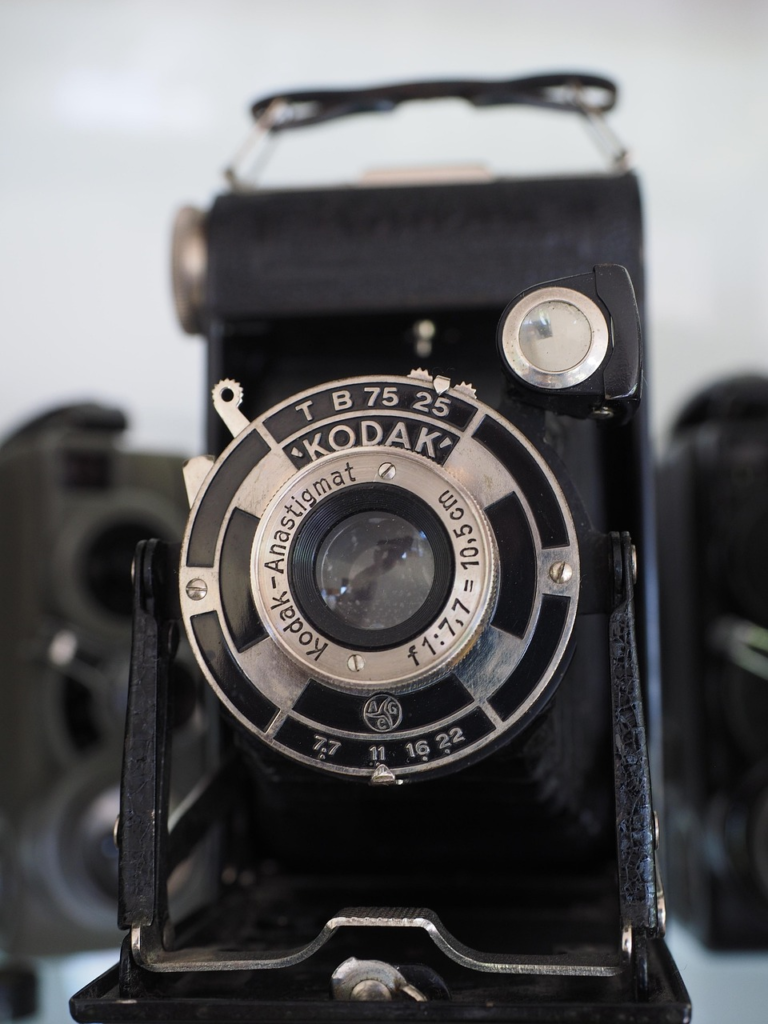
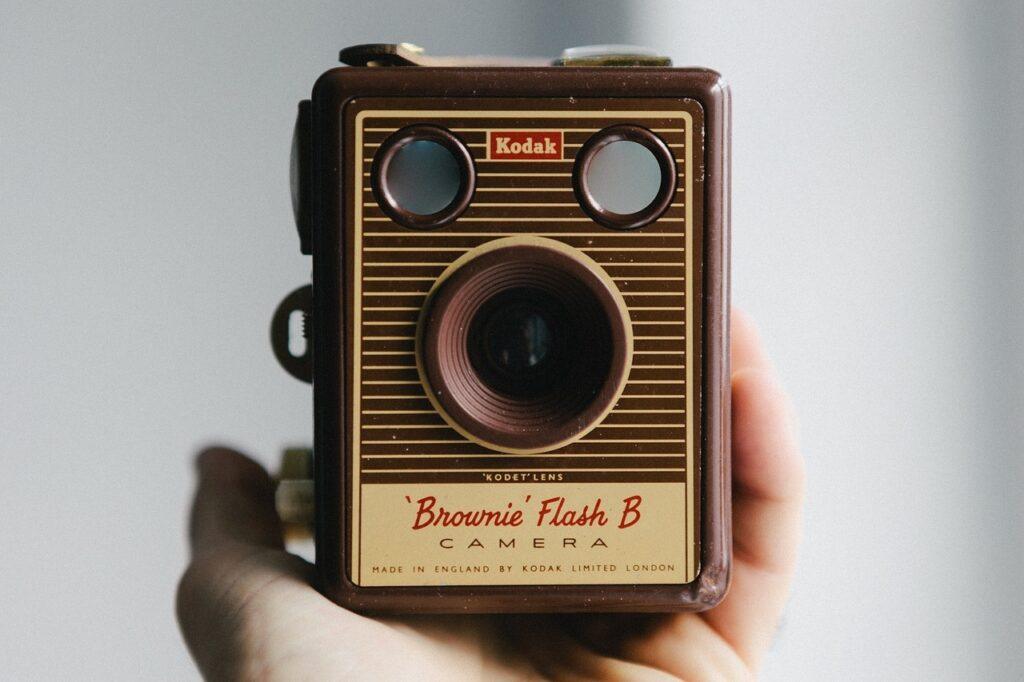
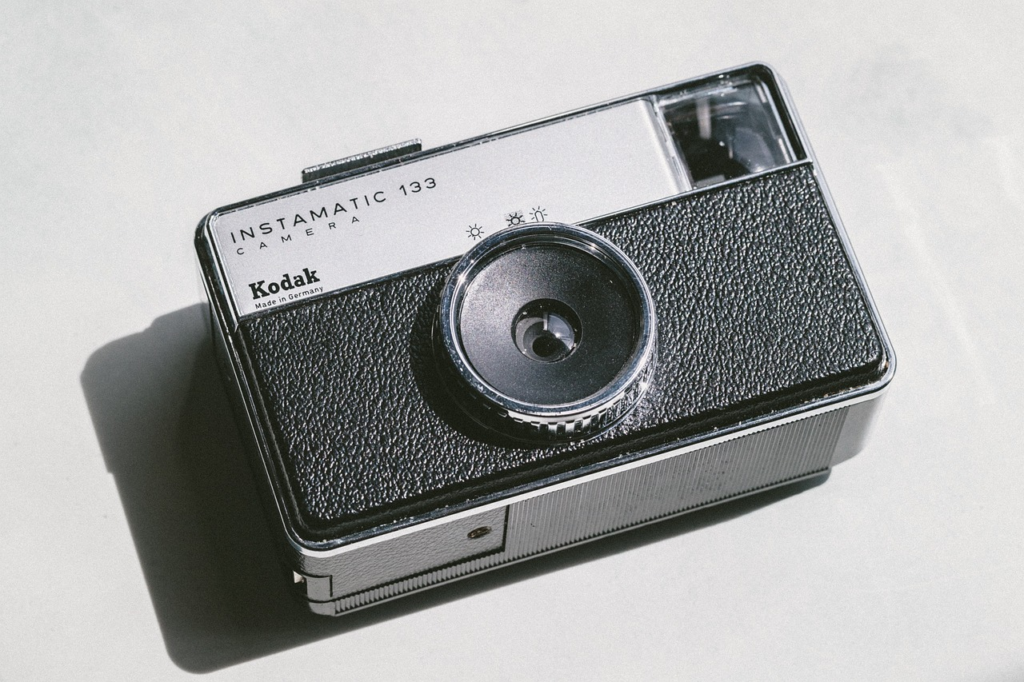
Black and white snapshots dominated until color photography became accessible to consumers in the 1940s. The paper stock, developing processes, and print sizes also evolved.
These provide additional clues to date old photos from the snapshot era.
Women’s Fashion: Your Primary Tool to Date Old Photos (1840–1950)
Women’s fashion changed dramatically and frequently between 1840 and 1950. This makes it the most reliable fashion element when you date old photos.
Each decade had distinctive silhouettes, sleeve styles, waistlines, and decorative details. These serve as chronological markers.
1840s: The Romantic Era 🌹
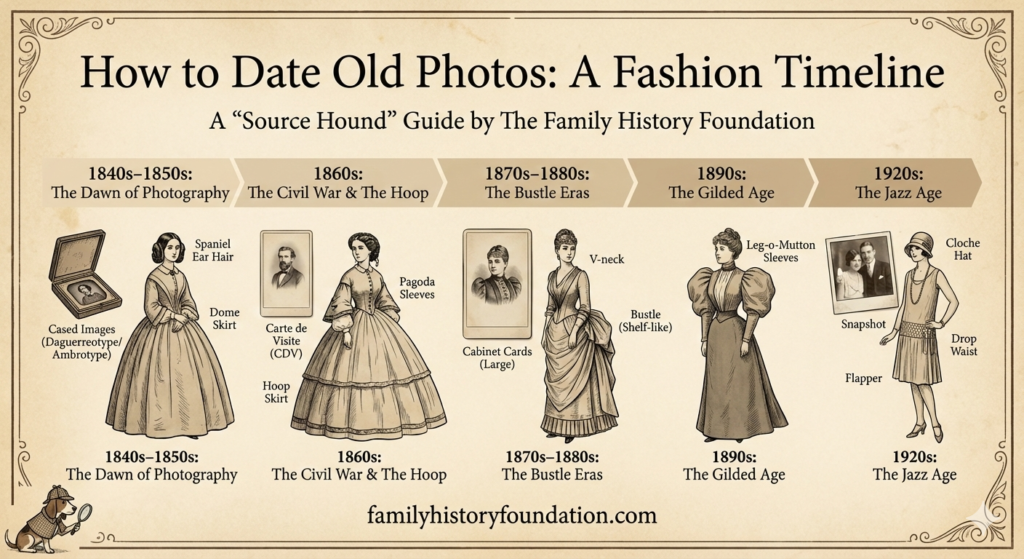
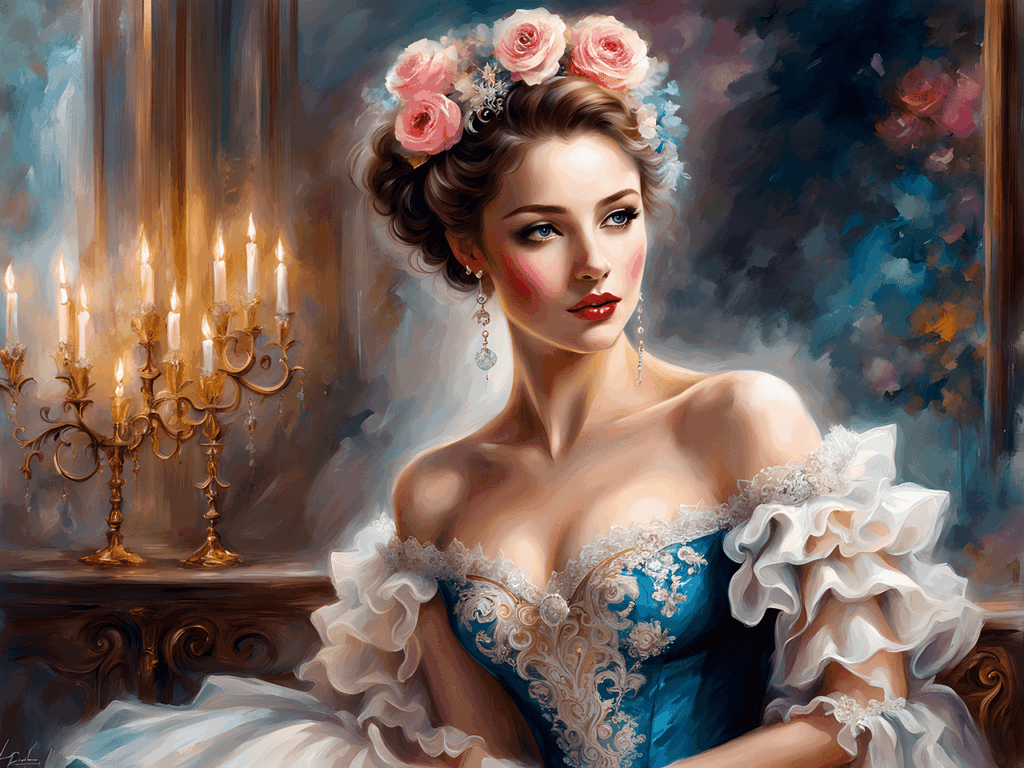
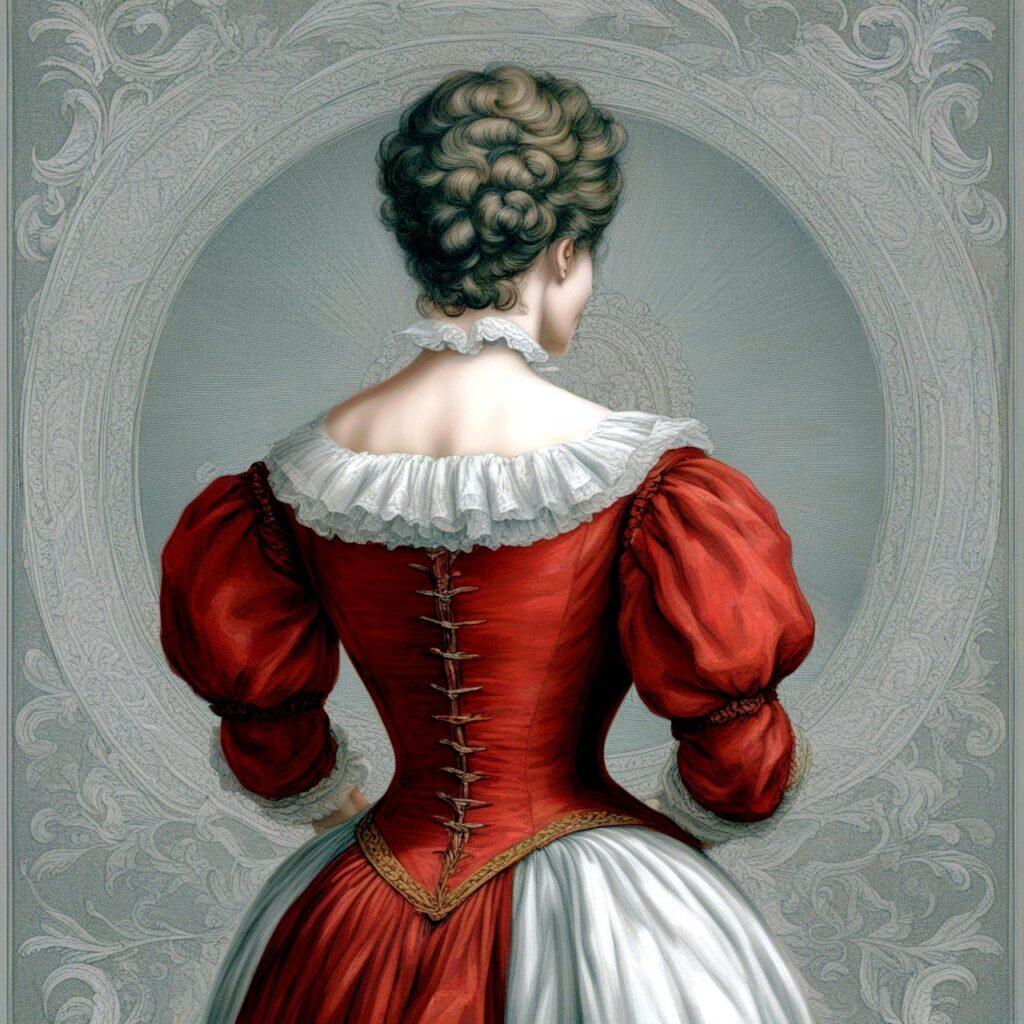
Women in 1840s photographs wore fitted bodices with sharply pointed waists. Their skirts were full and bell-shaped, supported by multiple petticoats.
When you date old photos from this decade, look for off-the-shoulder necklines with wide, sloping shoulders. Sleeves were distinctive—tight from shoulder to elbow, then expanding dramatically.
These “pagoda” sleeves are unmistakable. Some styles remained tight with separate, detachable white undersleeves.
Hairstyles featured center parts with smooth hair drawn down over the ears into low buns or loops. Bonnets were essential outdoor accessories.
You’ll see them in many photographs from this period. The overall silhouette formed an X-shape when viewed from the front. ✨
1850s: The Crinoline Emerges
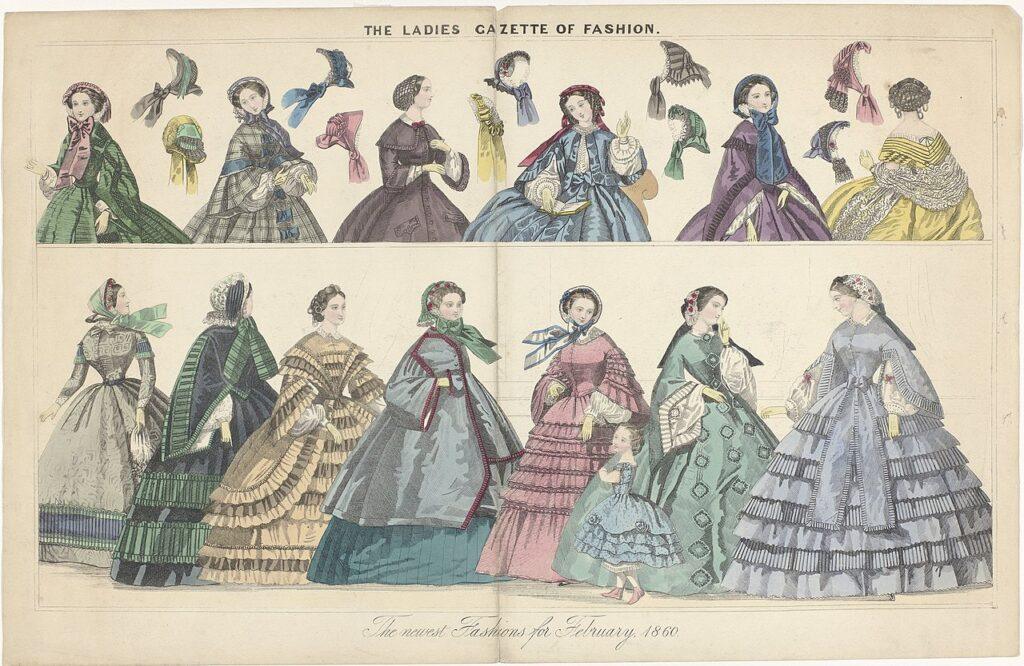
The 1850s brought the cage crinoline. This lightweight framework of steel hoops replaced heavy petticoats.
When you date old photos from the 1850s, notice how skirts became even wider and more bell-shaped. Bodices remained fitted with pointed waists.
Necklines rose slightly, and sleeves evolved into wide, open “pagoda” styles. These required white lace or cotton undersleeves.
Day dresses featured high necklines, while evening wear still allowed bare shoulders. Decorative elements included ribbons, fringe, and intricate trim.
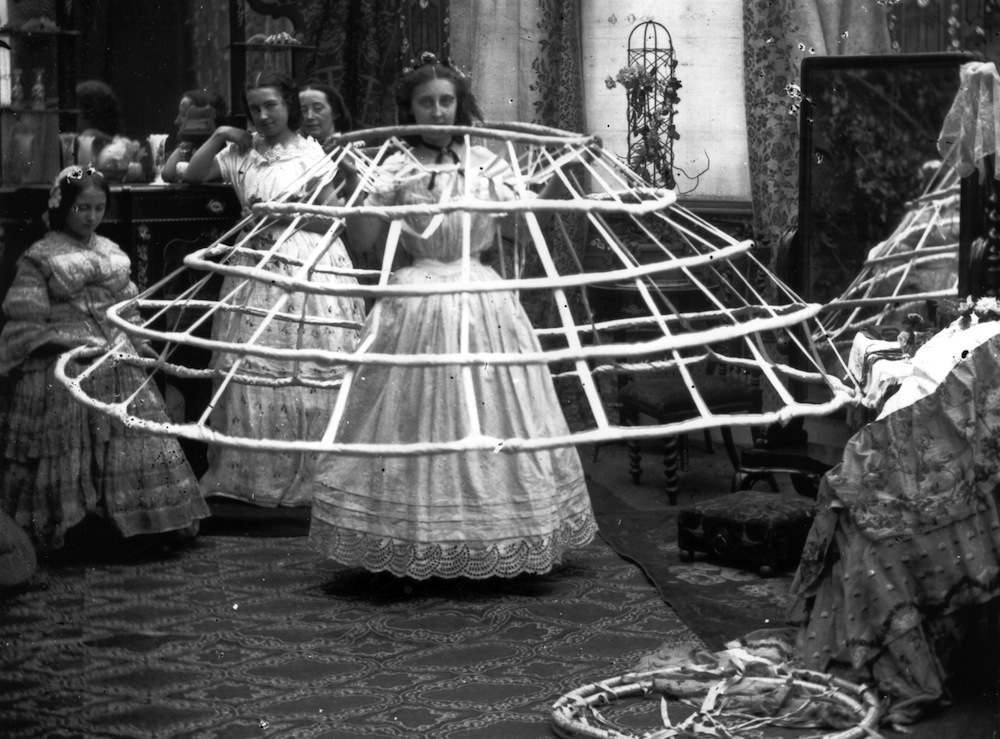
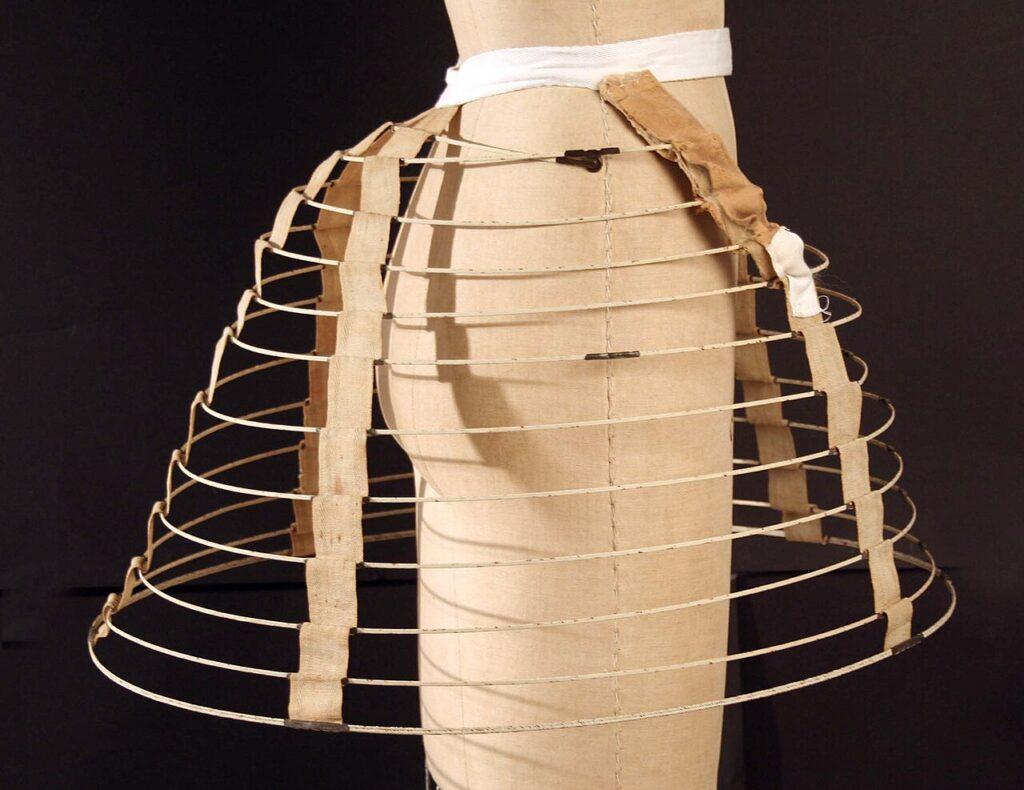
Hairstyles maintained the center part but incorporated more volume. Sometimes decorative nets or snoods covered the back hair. 🎀
1860s: The Civil War Period
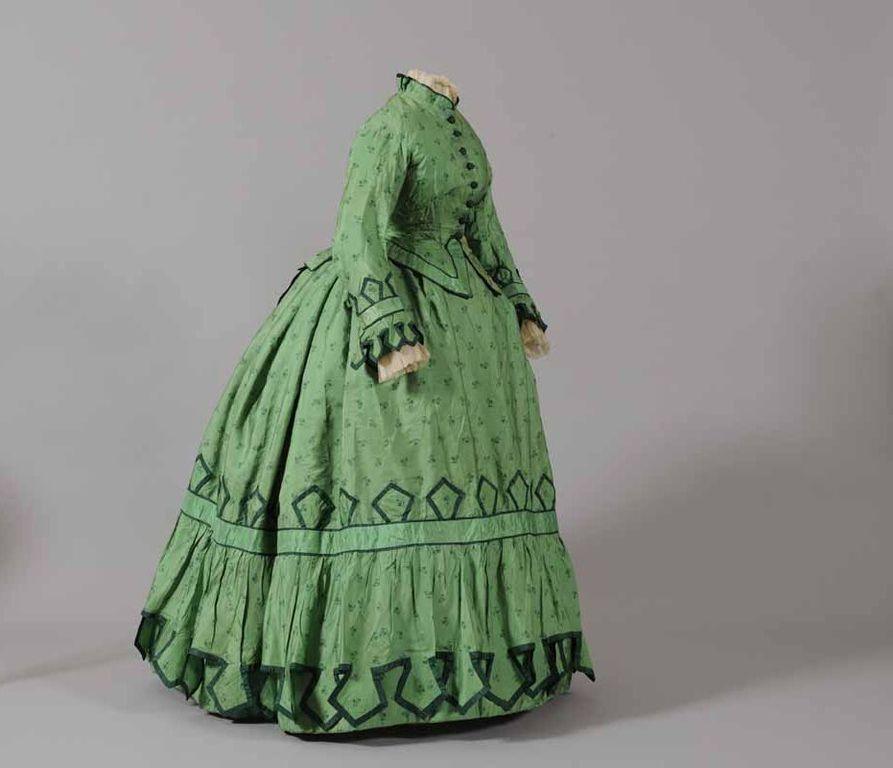
The 1860s saw skirts reaching their maximum width early in the decade. Then they gradually flattened in front while fullness shifted toward the back.
When you date old photos from the Civil War era, look for this transitional silhouette. Bodices featured higher necklines, often with white collars and cuffs.
This created a “day dress” appearance.
Sleeves became simpler and narrower. By the late 1860s, the first bustle styles emerged with fabric gathered and supported at the back of the skirt.
Hairstyles increased in elaboration, with hair swept up and back. These often incorporated braids, curls, or chignons. ⚔️
1870s: The First Bustle Era 👗
The 1870s present distinctive features that make it relatively easy to date old photos from this decade. The full crinoline disappeared completely.
It was replaced by skirts that fitted smoothly over the hips and thighs. Then they erupted into dramatic bustles at the back.
Overskirts were draped, swathed, pleated, and gathered in increasingly complex arrangements. Bodices were long and tightly fitted.
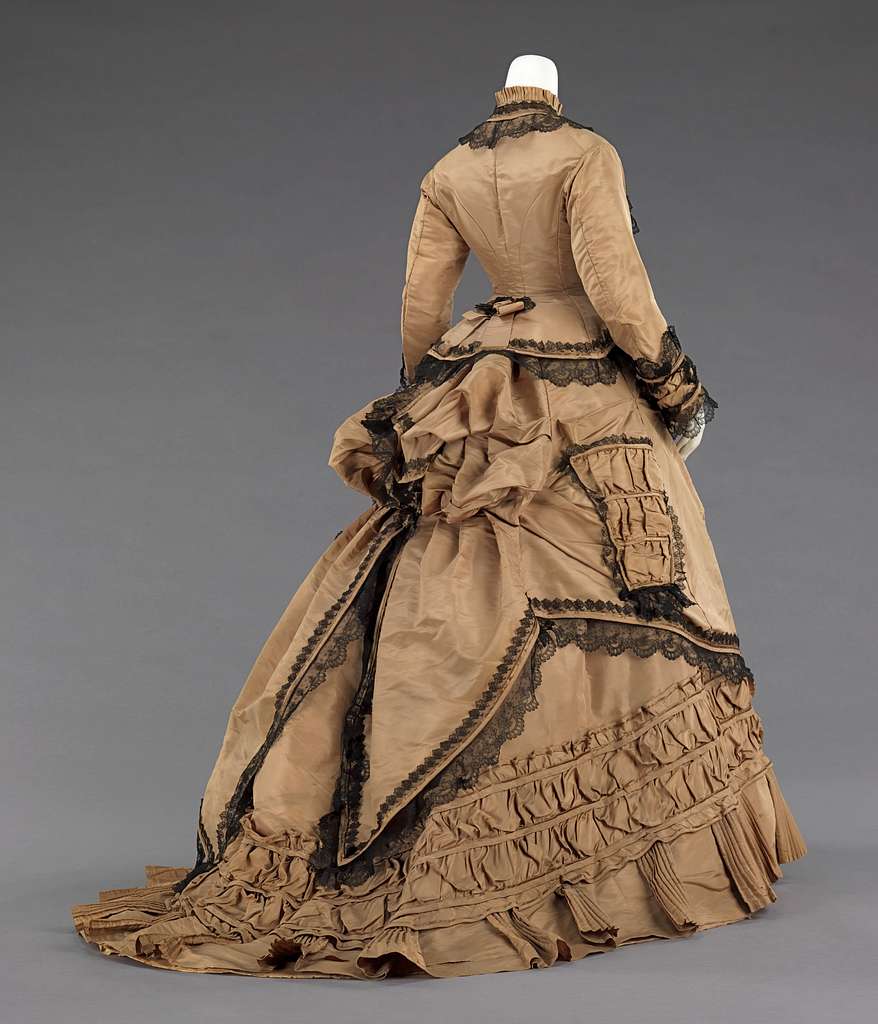
This created a cuirass or “armor” effect that extended below the natural waistline. When you date old photos showing these elongated bodices and elaborate back draping, you’re almost certainly looking at the 1870s.
Necklines were high for day wear, and sleeves fitted closely to the arm.
1880s: The Second Bustle Era
The 1880s bustle was even more exaggerated than the 1870s version. When you date old photos from this decade, look for the distinctive “shelf” projection at the back of the skirt.
This created an almost perpendicular angle. This bustle style dominated from about 1883 to 1889.
Bodices remained snugly fitted with high necklines. They typically featured decorative elements at the front.
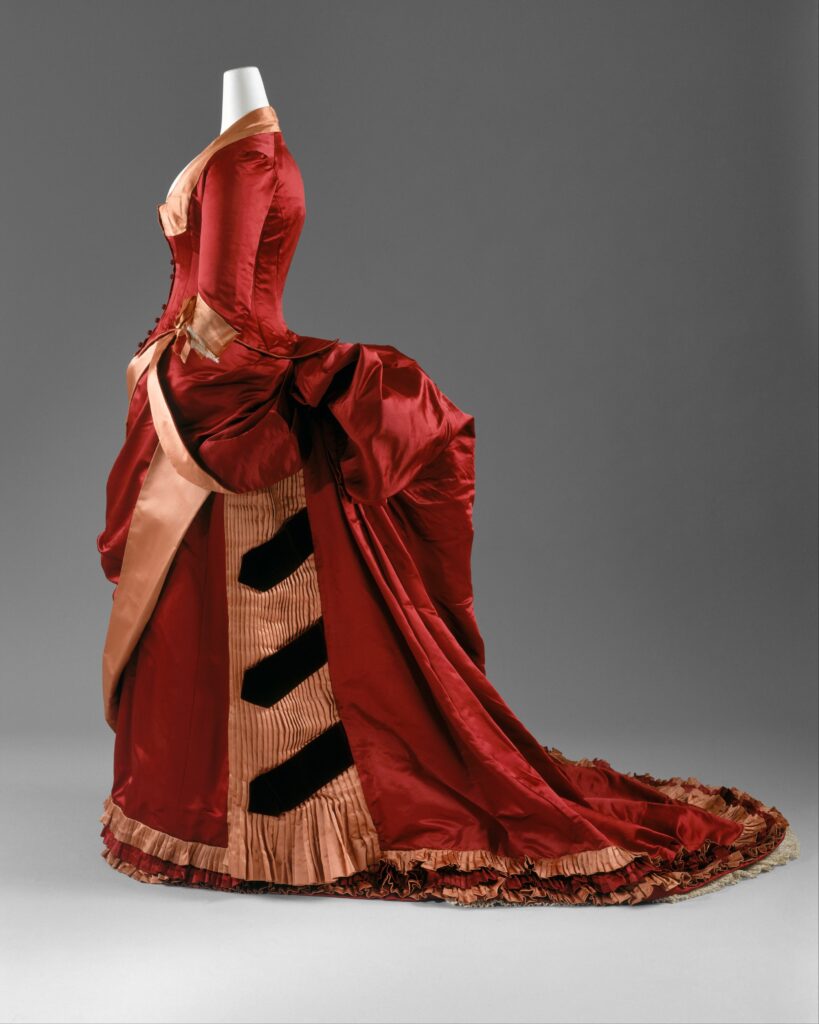
Sleeves began to gain volume at the shoulder by the late 1880s. Hats replaced bonnets as the primary headwear.
They were often decorated lavishly with ribbons, flowers, and even entire taxidermied birds! 🎩
1890s: The Gay Nineties and Leg-of-Mutton Sleeves
The 1890s are unmistakable when you date old photos. This is thanks to the enormous “leg-of-mutton” or “gigot” sleeves that dominated the entire decade.
These sleeves were fitted from elbow to wrist but exploded into massive puffs at the shoulder. They reached their largest size around 1895–1896.
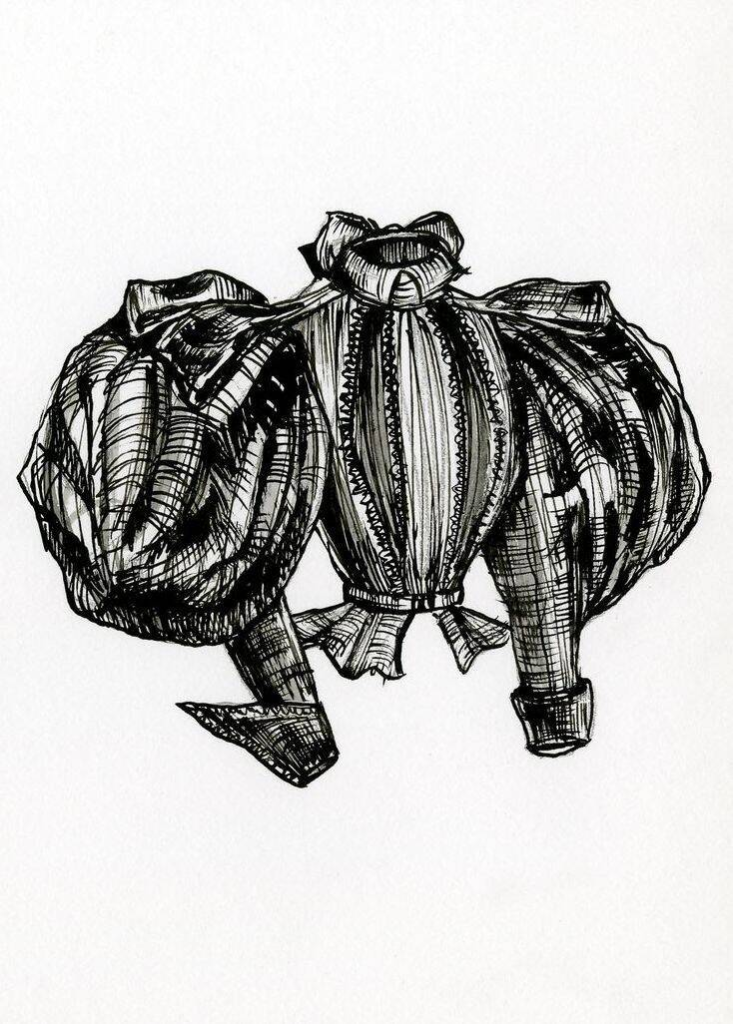
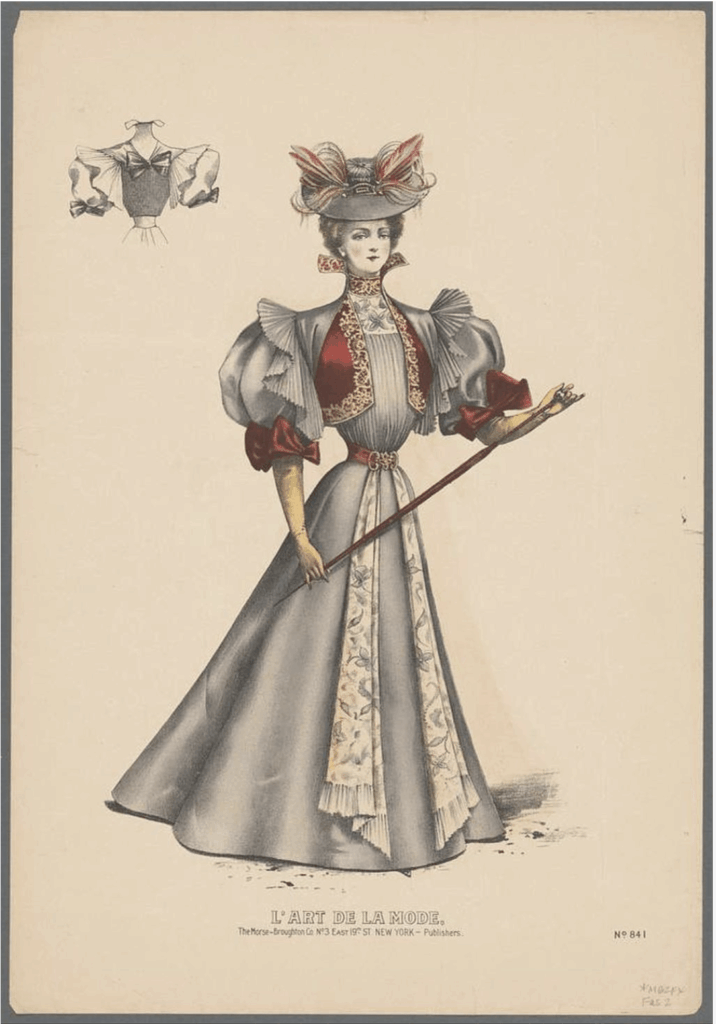
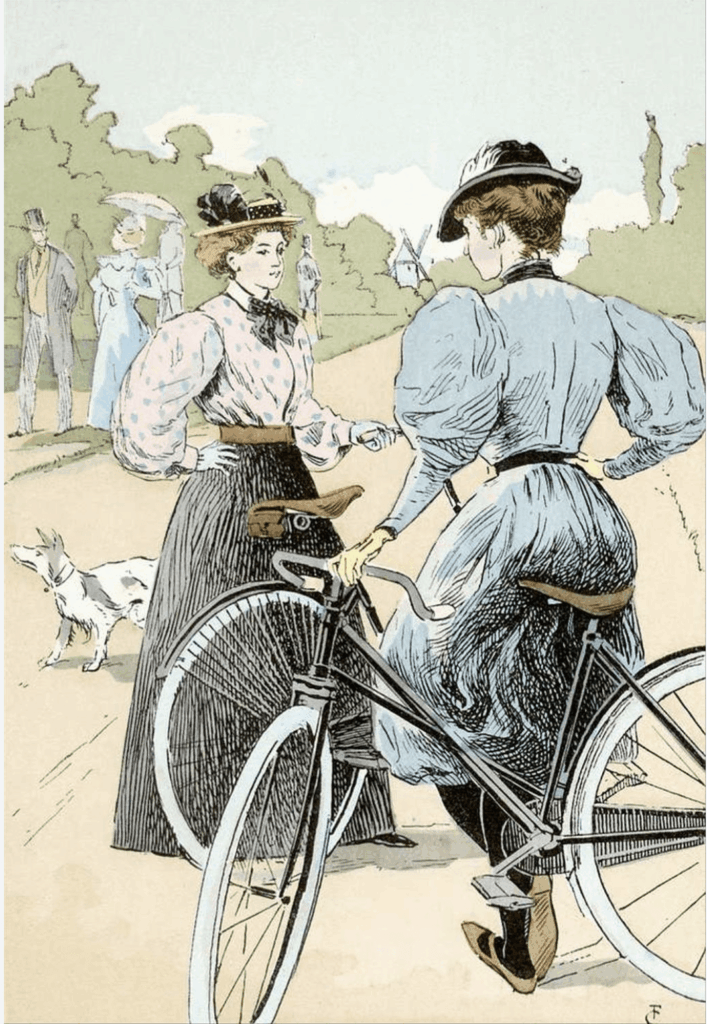
Skirts lost the bustle completely and fell in soft folds from a fitted waist to a flared hem. Often there was a slight train for formal wear.
The silhouette created an hourglass shape. High-necked shirtwaists (blouses) became popular for day wear, often paired with separate skirts.
This was a revolutionary development. It introduced the concept of separates into women’s wardrobes.
Hairstyles featured soft waves and curls at the forehead, with hair gathered at the crown. The Gibson Girl ideal emerged—a tall, statuesque figure with an S-curve corseted silhouette.
This influenced fashion throughout the decade. 💃
For more images, you can find many collections by using the following links. Just use the headers as search prompts 💡
- Wikimedia Commons
- The Library of Congress
- The New York Public Library Digital Collections
- The Metropolitan Museum of Art “The MET”
- Use Google to find more! There are tons of Universities with their own public collections like NYU, Brown, Vermont, etc.
1900–1910: The Edwardian S-Curve
The early 1900s featured the distinctive S-curve silhouette created by straight-front corsets. When you date old photos from the Edwardian era, look for this characteristic posture.
The chest thrust forward, hips pushed back. This created an artificial, swan-like profile.
Sleeves evolved from the 1890s puffs to more modest proportions. They were often gathered at the shoulder but not dramatically enlarged.
By 1905–1910, sleeves became quite narrow and fitted. Skirts were floor-length, fitted over the hips, and flared into trumpet or bell shapes at the hem.
High-necked blouses with elaborate embroidery, lace, and pin-tucking were standard day wear. Large, heavily decorated hats perched atop elaborate pompadour hairstyles.
When you date old photos showing these massive hats and forward-leaning posture, you’re looking at 1900–1910. 🎭
1910s: The Great War and Changing Silhouettes
The 1910s began with hobble skirts—narrow, ankle-length styles that restricted walking. But fashion changed dramatically due to World War I.
When you date old photos from this decade, you’ll see the gradual rise of hemlines and simplification of styles.
By 1914–1918, practicality influenced fashion as women entered the workforce in unprecedented numbers. Skirts became wider at the hem for easier movement.
They rose to mid-calf or even higher. Waistlines dropped slightly, moving away from the natural waist.
Hats remained large in the early 1910s but simplified as the decade progressed. Hairstyles also simplified.
Women began to adopt shorter styles by the late 1910s. ⚙️
1920s: The Flapper Era 🎷
The 1920s are perhaps the most recognizable decade when you date old photos. The dramatic shift to short skirts, dropped waistlines, and boyish silhouettes makes these photographs unmistakable.
Hemlines rose to the knee or just below, shocking the previous generation.
The characteristic 1920s silhouette was straight and tubular. It de-emphasized the bust, waist, and hips.
Dresses hung from the shoulders with waistlines dropped to the hips. Sleeveless dresses became acceptable, and evening wear featured elaborate beading and fringe.
Hairstyles underwent a revolution. Women cut their hair into bobs, shingles, and Eton crops.
Cloche hats—tight-fitting, bell-shaped hats worn low on the forehead—became the defining accessory. When you date old photos showing short hair, dropped waists, and cloche hats, you’re confidently looking at the 1920s. 💫
1930s: The Depression Era and Hollywood Glamour
The 1930s brought longer hemlines and a return to more feminine, body-conscious styles. When you date old photos from the Depression era, notice how skirts dropped to mid-calf.
Eventually they reached the ankle. The natural waistline returned.
Bias-cut dresses that clung to the body became fashionable, influenced by Hollywood glamour. Sleeves varied from sleeveless to full-length, often with distinctive details like puffed shoulders or flutter sleeves.
Evening gowns featured dramatic backs and sophisticated draping. Day wear remained practical but elegant.
Hairstyles softened into finger waves and marcel waves in the early 1930s. They gradually added more length and curl as the decade progressed.
Hats became smaller and more decorative, often worn at jaunty angles. 🎬
1940s: Wartime Practicality and the New Look
The 1940s divide into two distinct fashion periods. From 1940 to 1946, wartime restrictions influenced everything.
When you date old photos from the early 1940s, look for practical, tailored styles. These featured padded shoulders, knee-length skirts, and minimal decoration due to fabric rationing.
Women often wore suits, and the silhouette was boxy and masculine. Hairstyles featured victory rolls and updos.
Longer hair was practical for women working in factories. Hats remained popular but were simpler due to material shortages.
In 1947, Christian Dior introduced the “New Look,” revolutionizing fashion overnight. When you date old photos from the late 1940s, notice the dramatic shift.
Nipped waists, full skirts, and soft shoulders characterized this new style. This ultra-feminine silhouette dominated the late 1940s and into the 1950s. 👔
Early 1950s: The New Look Continues
While our focus ends at 1950, it’s worth noting that early 1950s fashion continued the New Look’s influence. Full skirts, tiny waists emphasized by wide belts or cinched waistlines, and feminine details characterized the era.
This helps you avoid confusing late 1940s photos with early 1950s images when you date old photos.
Men’s Fashion: Additional Clues to Date Old Photos (1840–1950)
While men’s fashion changed less dramatically than women’s fashion, understanding masculine style evolution provides valuable corroboration. This helps when you date old photos, especially for images containing multiple subjects.
It’s also useful when examining photographs of your male ancestors.
1840s–1860s: The Victorian Gentleman 🎩
Men in daguerreotypes and early photographs typically wore dark, somber clothing. When you date old photos from mid-century, look for frock coats.
These were long jackets extending to the knee or mid-thigh. Trousers were narrow and often checked or plaid.
High, stiff collars and cravats or bow ties were standard. Men’s hairstyles featured side parts with hair longer at the sides.
Facial hair varied from clean-shaven to full beards. Top hats were the mark of a gentleman.
1870s–1890s: The Gilded Age
The sack coat—a shorter, looser jacket—became increasingly popular for business and day wear. Frock coats remained appropriate for formal occasions.
When you date old photos from this period, notice the three-piece suit becoming standard. This included jacket, vest (waistcoat), and trousers.
Neckties evolved in width and style. Collars remained high and often detachable from shirts.
Facial hair was extremely popular, with elaborate mustaches, muttonchops, and full beards dominating men’s faces. Bowler hats and fedoras joined top hats as acceptable headwear. 👨
1900s–1910s: The Edwardian Gentleman
Men’s fashion in the early 20th century featured more fitted, tailored suits. When you date old photos from this era, look for narrow, high-waisted trousers.
Sometimes they had cuffs. Jackets featured high button stances and notched lapels.
Neckties became narrower. Stiff, detachable collars remained popular but began to soften.
Facial hair started to decline in popularity. Clean-shaven faces and simple mustaches became more common.
Hats remained essential—no respectable man went outside bareheaded. 🕴️
1920s–1930s: The Jazz Age and Depression
The 1920s brought looser, more comfortable men’s fashion. When you date old photos from this period, notice wide-legged trousers.
Often they had cuffs and sometimes were held up by suspenders. Suits featured broader shoulders and looser fits.
Neckties widened considerably. Soft, fold-down collars began replacing stiff, detachable ones.
Fedoras became the dominant hat style. By the 1930s, suits became even more elegant and sophisticated.
They featured wider lapels and drape cuts that created a smooth, flowing silhouette.
1940s: Wartime and After ⚓
World War II influenced men’s fashion significantly. When you date old photos from the early 1940s, you’ll see many military uniforms.
Civilian suits featured broad, padded shoulders but narrower lapels and trousers due to fabric rationing.
By the late 1940s, men’s suits became slightly more relaxed. The zoot suit, though controversial, influenced mainstream fashion with its exaggerated proportions.
Hats remained standard, though their popularity would decline dramatically in the following decades.
📸 QUIZ TIME! Test Your Photo Dating Skills 📸
Let’s see how well you’ve absorbed the fashion clues! For each description, try to identify the decade.
Question 1: You’re examining a photo of a woman wearing a dress with a fitted bodice, pointed waist, and extremely wide sleeves that are tight at the shoulder and elbow but expand dramatically to the wrist. Her hair is parted in the center and drawn smoothly over her ears. What decade is this likely from?
Question 2: In a cabinet card, you see a woman with a “leg-of-mutton” sleeve that’s enormous at the shoulder. Her skirt lacks any bustle and falls smoothly from her waist. She’s wearing a high-necked shirtwaist. What decade does this represent?
Question 3: You find a snapshot of a woman wearing a dress that hangs straight from her shoulders with the waistline at her hips. Her hem is at her knees, and she’s wearing a tight-fitting, bell-shaped hat pulled low on her forehead. Her hair appears to be bobbed. What decade are you looking at?
Question 4: A photograph shows a man in a frock coat extending almost to his knees, wearing a top hat and sporting a full beard. The image has a metallic, mirror-like quality. What era is this?
Question 5: You discover a color photograph of a woman in a suit with dramatically padded shoulders and a knee-length skirt. Her hair is styled in victory rolls. What time period does this suggest?
ANSWERS:
- 1840s – The distinctive wide “pagoda” sleeves and center-parted hair are signature 1840s styles.
- 1890s – Leg-of-mutton sleeves dominated the entire decade and are the most distinctive feature.
- 1920s – The dropped waist, short hem, bobbed hair, and cloche hat are unmistakably flapper era.
- 1840s–1860s – The frock coat, top hat, beard, and daguerreotype process point to mid-19th century.
- Early 1940s – Padded shoulders, practical suit, and victory rolls indicate wartime fashion.
How did you do? If you got 4-5 correct, you’re well on your way to confidently dating old photos!
If you got fewer, don’t worry—keep this guide handy for reference. 🎯
Children’s Fashion: Unique Considerations When You Date Old Photos 👶
When you date old photos of children, remember that children’s fashion often lagged behind adult styles. Sometimes it reflected entirely different conventions.
However, certain patterns help with dating.
Gendered Clothing and Age
Until the early 20th century, very young boys (under age 5-7) wore dresses just like their sisters. When you date old photos showing a child in a dress with short hair, don’t assume it’s a girl.
Check for other clues like the side of the hair part. Boys typically parted hair on the side, girls in the center, though this wasn’t universal.
The age at which boys transitioned to trousers varied by family and era. It gradually became younger throughout the late 19th and early 20th centuries.
This “breeching” ceremony was a significant milestone. Photographs were often taken to commemorate the occasion. 🚼
Sailor Suits and Other Styles
Sailor suits became enormously popular for both boys and girls from the 1870s through the 1920s. The specific style details can help you date old photos more precisely.
These include collar shape, hem length, and trouser vs. skirt.
White dresses for special occasions remained standard for children throughout most of this period. Pinafores (sleeveless, apron-like garments worn over dresses) were common for everyday wear.
They protected better clothing underneath.
Accessories, Jewelry, and Additional Details to Date Old Photos 💎
Beyond clothing silhouettes, accessories provide valuable clues when you date old photos. Pay attention to these details.
Jewelry Styles
Jewelry fashions changed with each era. Cameos, lockets, and brooches dominated the Victorian period.
Long necklaces became popular in the 1920s. Watch chains for men indicated respectability and prosperity.
When you date old photos, jewelry can confirm or adjust your estimate based on clothing styles.
Eyewear Evolution 👓
If your ancestor wore glasses, the frame style helps date old photos. Pince-nez (nose-pinching glasses without temples) were popular from the 1840s through the 1920s.
Round, wire-rimmed glasses dominated the late 19th and early 20th centuries. More angular and decorative frames emerged in the 1920s and 1930s.
Footwear Clues
When visible in photographs, shoes provide dating information. Button boots dominated women’s footwear from the 1860s through the early 1900s.
T-strap and Mary Jane styles characterized the 1920s and 1930s. Platform shoes appeared in the 1940s.
Props and Backgrounds
Studio photographers used specific props, painted backgrounds, and furniture styles that changed over time. Rustic fences, columns, balustrades, and painted scenic backdrops can all help.
You can date old photos by cross-referencing with known studio practices from specific periods and locations.
Creating a System: Best Practices When You Date Old Photos 📋
Now that you understand the fashion elements, let’s discuss how to systematically approach dating your family photographs.
1. Examine the Photograph Type First
Always start by identifying the photographic process. This immediately establishes a date range before you even look at the clothing.
Remember that some processes overlapped, but knowing the type narrows your window significantly. This aligns with the importance of verifying Ancestry hints with multiple sources of evidence.
2. Study the Most Distinctive Features
Look for the most time-specific fashion elements first. Certain styles pinpoint dates very precisely.
Examples include leg-of-mutton sleeves or cloche hats. Start with these obvious markers before examining subtler details.
3. Consider the Occasion
Was this a formal studio portrait or a casual snapshot? Studio portraits often featured people’s best, most current fashions.
Everyday snapshots might show older, more comfortable clothing. This context matters when you date old photos.
4. Look for Multiple Subjects 👥
If your photograph contains multiple people of different ages, examine them all. Fashion often transcended age, so even elderly people wore contemporary styles.
However, older individuals sometimes maintained styles from their youth, which can create confusion. Cross-reference multiple subjects to reach a consensus date.
5. Use Genealogical Context
Combine fashion analysis with your genealogical research. If you know someone’s birth and death dates, certain photographs can be ruled in or out.
When you date old photos this way, you’re using the Ancestry Card Catalog approach. This means synthesizing multiple evidence types.
6. Document Your Dating Process 📝
Create a genealogy data preservation plan that includes your photo dating research. Note which fashion elements you used to date each photograph.
Include your confidence level and any alternative interpretations. This documentation becomes invaluable for future researchers.
It helps you remember your reasoning.
7. Consult Multiple Resources
Fashion history books, vintage pattern catalogs, museum collections, and other dated photographs provide comparison material. Building a reference library helps tremendously.
You can also create a Pinterest board like the Family History Foundation Pinterest page. This gives you ready comparisons when you date old photos.
Common Pitfalls: What to Avoid When You Date Old Photos ⚠️
Even experienced researchers make mistakes. Here are common errors to avoid.
Fashion Lag in Rural Areas
Urban fashion moved faster than rural styles. A dress style popular in New York in 1885 might not appear in a Kansas farm town until 1890.
Consider your ancestors’ location and socioeconomic status when you date old photos.
Economic Factors
Not everyone could afford the latest fashion. Working-class people often wore simpler, more durable clothing that didn’t reflect cutting-edge trends.
Similarly, wealthy families might commission portraits featuring especially elaborate, custom clothing. This was sometimes ahead of general fashion curves.
Second-Hand and Hand-Me-Downs
Clothing was precious and expensive. People wore garments for years and passed them down to younger siblings.
They also remade them into new styles. A photograph from 1900 might show a dress originally made in 1895 or even earlier. ♻️
Special Occasion Clothing
Wedding dresses, mourning attire, and formal wear followed different rules than everyday fashion. Mourning clothes, in particular, were often older styles dyed black.
Victorian mourning customs required specific black clothing for extended periods.
Photographic Retouching
Even in the 19th century, photographers retouched images. They might paint over worn clothing, add details, or enhance certain elements.
What you see in a photograph might not perfectly reflect what the person actually wore.
Using Technology to Date Old Photos 💻
Modern technology provides new tools for dating family photographs. However, human expertise remains essential.
AI and Image Recognition
Emerging AI tools can help date old photos by comparing them to databases of dated images. However, these tools are only as good as their training data.
They can make mistakes with unusual items or mixed-era elements. Use AI as a starting point, not a final answer.
Digital Enhancement
Modern photo editing software can reveal details invisible in deteriorated photographs. Adjusting contrast and brightness can make faded clothing patterns visible.
This helps you date old photos more accurately. However, be careful not to over-interpret artifacts created by enhancement.
Online Communities
Connecting with other photo dating enthusiasts through forums, Facebook groups, and sites like Reddit’s r/TheWayWeWere provides access to collective knowledge. Share your photographs and learn from others’ expertise.
This collaborative approach mirrors how AI and genealogy work together. Technology assists but doesn’t replace human judgment.
Integrating Photo Dating with Your Broader Research Strategy 🔗
The ability to date old photos shouldn’t exist in isolation from your other genealogical research. Instead, photo analysis should integrate seamlessly with your documentation strategy.
When working with platforms like Ancestry.com, dated photographs provide temporal evidence that complements documentary records. If you’ve attached a photograph to an ancestor’s profile and successfully dated it to 1887, this information might help you prioritize which census records to examine.
It can also guide which city directories to search.
Similarly, when you encounter challenges like trying to distinguish between ancestors with common names, a dated photograph helps. Showing someone in a specific location at a specific time provides crucial differentiation.
Your photo dating research also contributes to solving maiden name mysteries. A photograph dated to 1889 that shows a young woman with a named man might provide clues about when a marriage occurred.
This helps you search marriage records more efficiently.
Building Your Photo Dating Reference Library 📚
Success in dating old photos requires building comprehensive reference materials. Here’s how to create an effective personal reference system.
Historical Fashion Books
Invest in or borrow fashion history books with dated illustrations and photographs. Books focusing on everyday fashion (rather than haute couture) provide the most useful comparisons for family photographs.
Digital Archives
Many museums and libraries have digitized their photograph collections. The Library of Congress, Smithsonian, and various university archives offer thousands of dated photographs online.
Bookmark these resources and organize them by decade. 🏛️
Video Resources
The Family History Foundation YouTube channel offers video guides on various genealogical topics. Video resources can help you see how clothing moved and draped.
Static images can’t convey this movement.
Period Catalogs and Advertisements
Sears catalogs, fashion magazines, and advertisements from specific years show what was actually available for purchase. They don’t just show what was fashionable.
These provide realistic comparisons for middle-class family photographs.
Preserving Your Dated Photographs 🛡️
Once you’ve successfully dated old photos, protect your research and the physical photographs through proper preservation techniques.
Digital Archiving
Scan your photographs at high resolution (at least 600 dpi). Save them in multiple formats and locations.
Your genealogy data preservation plan should include these digital images. Include your dating research notes as well.
Physical Storage
Store original photographs in acid-free sleeves and boxes, away from light, heat, and humidity. Never write directly on photographs.
Use acid-free paper slips inserted into the storage sleeve to record dating information.
Metadata Documentation
When you save digital copies, embed metadata including your date estimate. Include the fashion elements you used for dating and your confidence level.
This ensures your research remains connected to the images even if they’re separated from your paper notes.
FAQ: Your Questions About Dating Old Photos Answered ❓
Q: Can I date old photos if they’re very faded or damaged?
A: Often yes, though it’s more challenging. Focus on whatever details remain visible—even partial information about sleeve shape, hemline, or hair style can narrow the date range.
Q: What if the clothing in my photograph doesn’t match any fashion era exactly?
A: This is common and usually indicates transitional periods, rural fashion lag, or second-hand clothing. Provide a date range rather than a specific year. Note which elements pulled you toward different time periods. Most photographs can be dated to within 5-10 years even with mixed signals.
Q: How accurate can I expect to be when I date old photos using fashion?
A: With practice, you can typically date photographs to within a 5-year window for distinctive periods. Examples include the 1890s with leg-of-mutton sleeves or 1920s with flapper styles. Less distinctive periods might only allow 10-15 year ranges. This is still extremely valuable for genealogical research!
Q: Can I trust online photo dating tools and apps?
A: Use them cautiously as starting points only. AI-based tools can make mistakes, especially with unusual garments or mixed-era elements. Always verify their suggestions against your own fashion knowledge and other evidence. Human expertise remains superior to automated dating, though technology continues improving.
Q: Should I date old photos before or after doing other genealogical research?
A: Ideally, work iteratively. Start with basic dating to establish a framework, complete documentary research, then return to photographs with your genealogical context to refine dates. This back-and-forth approach produces the best results. 🔄
Q: What do I do if my fashion-based date contradicts family stories about when a photo was taken?
A: Family stories are often wrong about dates, sometimes by decades. Trust the fashion evidence over memory, but note the discrepancy. Sometimes family stories conflate multiple events or photographs. People’s memories can shift dates unconsciously. Document both the fashion evidence and the family story for future researchers to evaluate.
Q: Are there reliable dating services for old photographs?
A: Several professional photo dating services exist, though costs vary. Many local genealogical societies offer photo dating assistance at lower cost or free. Before paying for services, verify the provider’s credentials and methodology. Often, you can learn to date your own photos with practice and good reference materials.
Q: How do I handle photographs taken across decades in the same sitting?
A: This rarely happened historically due to photographic limitations. Be aware that some people saved special clothing and wore it again years later for subsequent portraits. Look for signs of aging in the subjects (not just the fashion). Consider whether the photographic process matches the clothing era.
Q: What’s the difference between dating a photograph and dating when someone was photographed?
A: Important distinction! A photograph’s creation date (when the physical object was made) can differ from when the image was captured. Reprints, copies, and later prints from old negatives complicate matters. Focus on dating the clothing and image, but note if the physical photograph appears to be a later reproduction. 📅
Q: How do I date old photos of people in work clothes or uniforms?
A: Occupational clothing changed more slowly than fashionable dress, making it harder to date. Look for accompanying fashion elements like hairstyles or any visible regular clothing. The photograph type itself provides clues. Military uniforms can be dated precisely by examining insignia, uniform regulations, and equipment details. Research your ancestor’s occupation to understand what they would have worn.
Q: My ancestor was from another country. Does this guide still apply?
A: This guide focuses on Western fashion, primarily American and British. European countries influenced and were influenced by these trends, usually with just a few years’ variation. However, traditional or regional dress followed entirely different rules. Research your ancestor’s specific cultural background for accurate dating if they wore traditional clothing. National museums and cultural organizations often have excellent resources.
Advanced Techniques for Expert Photo Dating 🎓
Once you’ve mastered basic photo dating, these advanced techniques will refine your skills.
Comparative Timeline Building
Create a visual timeline of dated photographs from various sources. Use museums, archives, and other families’ collections.
Arrange them by year and study how specific fashion elements evolved. This trains your eye to recognize subtle progressions that books might not explain clearly.
Cross-Referencing with Historical Events
Major historical events often appear in photographs as patriotic decorations, mourning attire, or referenced in studio props. The Spanish-American War, World War I, and other conflicts inspired specific clothing and decorations.
Natural disasters, expositions, and celebrations also left marks on photographs.
Understanding Regional Variations 🗺️
Fashion moved at different speeds across regions. Coastal cities adopted new styles faster than inland areas.
The American South, Midwest, and West all had slightly different timelines. Research fashion periodicals from your ancestor’s specific region for the most accurate comparisons.
Tracking Photographer Studios
Many photographers worked in the same location for decades. Research local photographers through city directories, newspapers, and historical societies.
When you date old photos with photographer information, you can often narrow dates to specific years. This identifies when that studio operated at that address or used that particular card style.
The Connection Between Photo Dating and DNA Research 🧬
Modern genealogists combine traditional research with DNA testing. When you choose between Ancestry vs 23andMe for adoptees or other researchers, remember that dated photographs can help verify DNA matches.
They place people in specific times and locations.
A photograph dated to 1892 in California helps confirm or question DNA matches who claim your ancestor was in New York that year. Photos become physical evidence supporting or contradicting your genetic research.
When evaluating AncestryDNA ThruLines, dated photographs of proposed ancestors provide reality checks. If ThruLines suggests a connection to someone, but your dated photograph shows your ancestor was a young child when they supposedly gave birth to someone else, you know to question that hint.
Creating Educational Resources for Your Family 🎨
Once you’ve dated your family photographs, share this knowledge with relatives.
Family Photo Presentations
Create presentations or albums organizing photographs chronologically. Include brief explanations of how you dated each image.
Highlight the fashion elements you used. This educates family members and preserves your research methodology.
Interactive Family Gatherings
Host family events where you teach relatives to date old photos. Use your collection as teaching examples.
Encourage family members to bring their own photographs for group analysis. This collaborative approach often surfaces new photographs and information.
Digital Family Archives
Build comprehensive digital archives including your dated photographs, research notes, and explanatory text. Share these through family websites, shared drives, or printed books.
The Family History Foundation approach emphasizes making information accessible to all family members. Not just serious researchers benefit from this knowledge.
Conclusion: Mastering the Art and Science of Photo Dating 🏆
Learning to date old photos through fashion analysis transforms mysterious images into valuable genealogical evidence. This skill connects you more deeply to your ancestors.
It helps you visualize their lives in specific historical moments. Every clothing detail, hairstyle, and photographic quirk tells part of their story.
As you practice dating photographs, remember that this is both an art and a science. The science lies in understanding fashion history, photographic processes, and chronological patterns.
The art comes in developing your eye for subtle details and making informed judgments when evidence is incomplete or contradictory.
Start with the photographs you have. Apply the techniques you’ve learned in this guide.
Don’t be discouraged if your first attempts feel uncertain. Every expert photo dater started as a beginner.
With each photograph you analyze, your skills improve. Your reference library grows, and your confidence increases.
Remember to date old photos systematically. Document your reasoning, and integrate your findings with other genealogical research.
This creates a comprehensive picture of your family’s history. It’s grounded in multiple types of evidence.
The photographs you date today become tomorrow’s heirlooms. They carry not just the images of your ancestors but also your research and dedication.
By learning to date old photos, you’ve joined a long tradition of family historians. We preserve the past for future generations.
What’s Your Photo Dating Success Story? 💬
Now it’s your turn! Have you successfully dated old photos in your collection?
What fashion clues helped you the most? Did you discover any surprises when you dated old photos that contradicted family stories?
Share your experiences in the comments below. Subscribe to our newsletter for more expert genealogy tips delivered to your inbox every month!
Your family history journey continues. Every photograph you date is another piece of your ancestral puzzle falling into place. 🧩
🎬 Join Our Growing Community of Family History Enthusiasts! 🌟
Don’t let your family history journey end here! I’m building an incredible community of passionate genealogists, and I’d love for you to be part of it.
📺 YouTube: Watch, Learn, and Discover
Head over to the Family History Foundation YouTube channel for in-depth video tutorials that bring genealogy to life! 🎥
Every Friday, I release comprehensive videos that complement the blog posts you’re reading right now. From step-by-step research guides to fascinating historical deep-dives, each video is crafted with the highest educational standards.
You’ll find visual demonstrations of photo dating techniques, tours through historical fashion eras, and practical walkthroughs of genealogy platforms. Hit that subscribe button and turn on notifications so you never miss a new upload! 🔔
📌 Pinterest: Get Inspired and Organized
Visit the Family History Foundation Pinterest page for a treasure trove of visual inspiration! 📍
I’ve curated boards filled with:
- Fashion timeline infographics to help you date old photos at a glance
- Downloadable PDF checklists for your research toolkit
- Vintage photograph examples organized by decade
- Genealogy templates and charts to organize your findings
- Historical fashion plates for quick reference
Pin your favorites, create your own boards, and build a visual library that makes dating old photos easier every single day. It’s genealogy eye candy that actually helps your research! ✨
💌 Newsletter: Your Monthly Dose of Genealogy Gold
Subscribe to my monthly newsletter and get exclusive content delivered straight to your inbox! Each edition includes:
- Brand new research tips you won’t find anywhere else
- Active genealogy challenges to sharpen your skills
- Deep-dive case studies solving real family mysteries
- Early access to new articles and videos
- Downloadable resources and templates
I promise never to spam you—just high-quality genealogy goodness once a month! 📬
Ready to take your family history research to the next level? Connect with me on YouTube and Pinterest today, and let’s uncover your ancestral stories together! 🔍👨👩👧👦

About the Author ✍️
Hi, I’m the founder of Family History Foundation—a one-person blog built from love, legacy, and lengthy research sessions. With a passion for helping others uncover their roots, I write detailed and compelling practical guides for professional family historians and weekend genealogists alike. This site is a space dedicated to making genealogy accessible, emotional, and empowering.
With a penchant for storytelling and a background in research, I help others uncover the lives and legacies of those who came before.
From organizing DNA matches to solving adoptee mysteries to exploring immigrant ancestors, my mission is to make family history a household word.
If you are ready to stop guessing and start knowing, stick around. We have a lot of digging to do. 🕵️♂️📚
I’m here for you, so let’s connect generations, one record at a time. ❤️